
Solar panel wiring installation for homes in Sri Lanka is a regulated, technically demanding process that requires a licensed electrical contractor. Getting it right means understanding local grid rules, tropical weather conditions, and the Ceylon Electricity Board’s approval process before a single cable is run.
Why Solar Panel Wiring Is a Specialist Job in Sri Lanka
Sri Lanka’s climate is punishing on electrical systems. High humidity, salt-laden coastal air, and intense UV exposure accelerate corrosion and insulation breakdown far faster than temperate countries. A wiring mistake that causes nuisance faults in a cooler climate can become a fire hazard here within months.
There is also a regulatory layer that does not exist in many other markets. The Ceylon Electricity Board (CEB) and Lanka Electricity Company (LECO) both require formal technical documentation and site inspections before a grid-connected solar system can be approved. An unlicensed installation will not pass those inspections and may void your building insurance.
This is why solar panel wiring installation for homes in Sri Lanka is firmly in the hands of qualified professionals. The safety and financial stakes are simply too high to approach any other way.
Key Components of a Home Solar Wiring System
Before you speak to a contractor, it helps to know what the system actually contains. Each component plays a specific role, and the wiring connects them in a precise sequence.
- Solar panels (PV modules): These convert sunlight into direct current (DC) electricity. Common panel brands available locally include those by Longi, Jinko, and Canadian Solar, though your installer will advise on current availability.
- DC cabling: Specially rated cables run from panels down to the inverter. Standard household wire is not acceptable here; solar DC cables must carry a higher voltage safely.
- Inverter: This converts DC from the panels into alternating current (AC), which is what your home appliances use. Grid-tied inverters also synchronise with the CEB grid frequency.
- AC distribution board connections: The inverter output connects to your home’s consumer unit (main switchboard), usually via a dedicated breaker.
- Bi-directional energy meter: Fitted by CEB or LECO, this meter records both energy you consume from the grid and surplus energy you export back to it, which is the basis of net metering.
- Earthing and surge protection: Mandatory safety components that protect against lightning strikes and electrical faults, especially important in Sri Lanka’s thunderstorm-prone regions.
How Solar Panel Wiring Installation Works: Step by Step
Understanding the sequence helps you track progress on your own project and ask informed questions.
- Site survey and load assessment: The electrician measures your average monthly consumption (from your CEB bill) and inspects your roof orientation, shading, and existing wiring.
- System design and CEB application: A single-line diagram (a simplified electrical schematic) is prepared and submitted to CEB or LECO for initial approval. This step can take two to six weeks.
- Mounting structure installation: Aluminium rails are fixed to the roof to hold the panels. The type of roof matters enormously here.
- Panel placement and DC wiring: Panels are connected in series or parallel strings using UV-resistant MC4 connectors. These strings carry high DC voltage, sometimes up to 600V, which is why this stage demands respect.
- Inverter installation: Mounted in a shaded, ventilated spot, usually indoors or under roof cover, to prevent overheating in Sri Lanka’s heat.
- AC wiring and consumer unit connection: The inverter is wired to the main distribution board by a licensed electrical contractor, following Sri Lanka’s wiring regulations.
- Earthing and surge protection installation: Earth rods and surge arrestors are fitted and tested.
- CEB inspection and meter swap: A CEB official inspects the completed installation. If approved, the standard meter is replaced with a bi-directional one and the net metering agreement is signed.
- System commissioning: The installer powers up the system, confirms output readings, and demonstrates the monitoring system to you.
Sri Lanka Grid-Tie Rules and CEB Net Metering Requirements
Net metering allows you to export surplus solar electricity to the grid and receive a credit on your bill. The CEB’s net metering scheme applies to residential systems up to 100 kW, though most homes install between 3 kW and 10 kW. The export tariff (the rate you receive for electricity sent back) is set periodically by the Public Utilities Commission of Sri Lanka (PUCSL).
For solar panel wiring installation for homes in Sri Lanka to qualify, the system must use a grid-tied inverter with anti-islanding protection. Anti-islanding means the inverter automatically shuts off if the grid goes down, protecting CEB linemen working on the network. This is a non-negotiable technical requirement, and it also means a standard grid-tied solar system will not power your home during a blackout unless you add a battery and hybrid inverter.
Your contractor must submit a completed application form, a single-line diagram, equipment technical data sheets, and proof of land ownership or a landlord’s consent letter. CEB area offices in Colombo, Kandy, Galle, and elsewhere handle these applications, and processing times vary by region.
Roof Compatibility and Mounting Considerations
The roof structure carries the weight of the panels, so its material and condition matter before any wiring work begins. A typical 1 kW of solar panels weighs around 8 to 10 kg, and a 5 kW system adds roughly 50 kg plus the mounting frame.
Concrete flat roofs are straightforward to work with, as ballasted frames can be placed without penetrating the waterproofing. Pitched roofs require rail systems that anchor into rafters. If you are choosing or upgrading roof materials, it is worth reading about the best roofing materials for homes in Sri Lanka to understand which surfaces interact best with solar mounting hardware.
Metal sheet roofing has become popular for solar installations because it is lightweight and allows for clamp-based mounting without drilling. However, material choice involves trade-offs, and a detailed comparison of clay tile vs metal roofing for tropical climates will help you weigh durability, heat performance, and cost before committing.
Common Solar Wiring Mistakes and Safety Risks
Most solar-related fires and system failures trace back to a handful of avoidable errors. Knowing these risks helps you understand why professional installation is not optional.
- Undersized DC cables: Using cables rated too low for the current causes overheating. In Sri Lanka’s ambient temperatures, this risk is amplified significantly.
- Loose MC4 connectors: Poorly crimped or mismatched connectors arc and burn. This is one of the leading causes of rooftop solar fires globally.
- Missing or improper earthing: Without correct earthing, a lightning strike can destroy the inverter and start a fire. Sri Lanka’s central highlands and south-west zone are particularly lightning-prone.
- No surge protection: Transient voltage spikes during storms damage inverters and, in the worst cases, downstream appliances.
- Non-compliant AC connection: Connecting an inverter to a consumer unit without proper isolation switches fails CEB inspection and creates a live-wire risk for any future maintenance work.
An improperly wired solar installation also voids most inverter warranties, which typically run for five to ten years.
How Much Does Solar Panel Wiring Installation Cost in Sri Lanka?
Costs shift with exchange rates, import duties, and panel prices, but for a typical 3 kW residential system you can expect to budget in the range of LKR 650,000 to LKR 950,000 fully installed, including panels, inverter, wiring, mounting, and CEB application. A 5 kW system generally falls between LKR 950,000 and LKR 1,400,000.
Wiring and electrical labour alone, covering DC cabling, AC connection, earthing, and surge protection, typically accounts for 15 to 20% of the total project cost. Do not treat this as a place to save money. The wiring is what keeps the system safe for the next 25 years.
Prices vary by region, roof type, and system complexity. Always get at least three itemised quotations and confirm that the price includes the CEB application fee and meter replacement coordination. Avoid any quote that bundles everything into a single lump sum without breakdown.
How to Choose a Qualified Solar Electrician in Sri Lanka
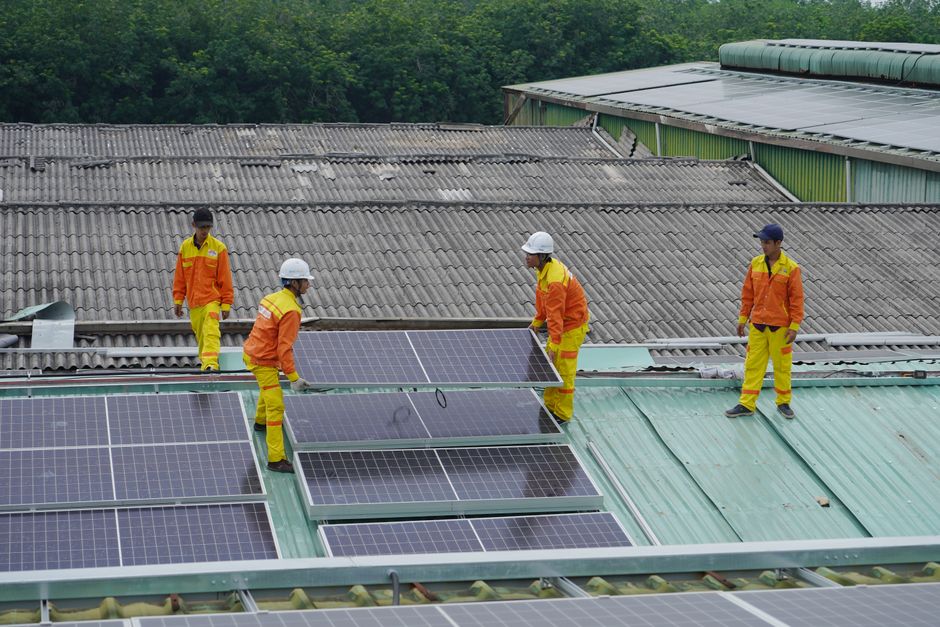
The Sri Lanka Sustainable Energy Authority (SLSEA) maintains a register of approved solar installers. Insisting on a contractor from this list is your baseline safeguard. Beyond that, look for the following.
- A valid electrical contractor licence issued by the Electrical Inspectorate Division of Sri Lanka.
- Experience with CEB net metering applications in your district, since familiarity with local area office procedures saves time.
- A written warranty covering both workmanship and the equipment supplied, with clear terms on what happens if the inverter or panels underperform.
- References from at least two or three completed residential projects you can verify.
Good solar panel wiring installation for homes in Sri Lanka starts with the right contractor. A reputable firm will conduct a thorough site survey before quoting, produce proper technical drawings, and coordinate the CEB inspection on your behalf. If a quote arrives within minutes of a site visit without any technical documentation, treat that as a warning sign.
FAQ
Do I need CEB approval before installing solar panels in Sri Lanka?
Yes. Any grid-tied solar system must receive prior approval from CEB or LECO before installation begins. Operating without approval is illegal, can result in disconnection, and will prevent you from accessing the net metering scheme. Your licensed installer handles the application, but the process must be completed before panels are connected to the grid.
Can solar panels be wired to work during a power cut in Sri Lanka?
Not automatically. A standard grid-tied system shuts down during a power cut by design, to protect utility workers. To have power during outages, you need a hybrid inverter paired with a battery bank. This adds significant cost but gives you energy independence during the frequent load-shedding periods Sri Lanka occasionally experiences. Discuss this option with your installer at the design stage, as the wiring configuration differs from a basic grid-tied setup.
How long does solar panel wiring installation take for a typical house?
The physical installation, mounting, wiring, and inverter connection, typically takes two to four days for a 3 to 5 kW residential system. However, the full process from initial CEB application to the bi-directional meter being fitted can take six to twelve weeks, depending on your area office’s workload. Factoring this timeline into a new build or renovation schedule early avoids delays.