
How Long Does a Roof Installation Take? (Quick Answer)
How long does a roof installation take? For most Sri Lankan homes, expect three to seven working days for a straightforward installation on a single-storey house. Larger or more complex roofs, especially those using clay tiles or requiring significant structural timber work, can run two to three weeks. That range covers most residential projects, but several local factors can push timelines in either direction.
The short answer is useful for rough planning, but the real answer depends on your roof type, the size of your house, the complexity of the design, and the time of year you schedule the work. Each of those variables matters more in Sri Lanka than in many other countries, because of monsoon patterns, local material supply chains, and the mix of roofing systems commonly used here.
Key Factors That Affect Roof Installation Time
Every roofing project is shaped by a set of core variables. Understanding these upfront helps you plan your build schedule more accurately and avoid surprises.
- Roof type and material: Metal sheet roofs go up faster than clay tile roofs. Concrete flat roofs involve curing time that adds days to the schedule.
- Roof area and pitch: A steeper pitch slows the pace of work and requires more safety precautions. A larger footprint simply takes more man-hours.
- Structural work required: If the timber roof frame (the rafter and purlin system) needs to be built from scratch, that adds two to five days before any roofing material goes on.
- Crew size: A skilled crew of five will finish the same roof in half the time of a two-person team.
- Weather: Sri Lanka’s two monsoon seasons are the single biggest source of roofing delays on the island.
Material delivery timing also matters more here than you might expect. Clay tiles sourced from Colombo or Kandy suppliers can take several days to arrive at sites in the Southern or Northern provinces. A good contractor accounts for this in the project schedule.
Timeline by Roof Type: What to Expect in Sri Lanka
Sri Lankan residential construction uses a fairly distinct range of roofing materials. Here is a realistic breakdown of how long each typically takes to install on a standard single-storey home of around 1,500 to 2,000 square feet.
Clay Roof Tiles
Clay tiles are the most common choice for residential homes across Sri Lanka. They are heavier, require a more precise laying pattern, and demand careful ridge and hip detailing. Installation typically takes seven to twelve working daysincluding the timber frame if it is being built new. This is the type of roof where an experienced crew makes the biggest difference in speed and finish quality.
Metal Sheet Roofing (Zinc-Aluminium or Colour-Bond)
Metal sheet roofing, including corrugated iron and modern zinc-aluminium profiles, is faster to install by a significant margin. A typical house can be covered in two to four days once the frame is in place. Sheet roofs are popular on commercial buildings and budget residential projects because of this speed advantage.
Concrete Flat Roofs
A reinforced concrete flat roof involves slab pouring, curing, and waterproofing. The concrete pour itself may take one day per section, but the slab must cure for a minimum of fourteen to twenty-one days before it is safe to load or waterproof. Total timeline from pour to a waterproofed, finished flat roof is typically four to six weeks. This is the longest of the common roof types, but the result is highly durable in the Sri Lankan climate.
Asbestos Sheet Replacement
Many older homes still have asbestos cement roofing that needs replacing. Removal, safe disposal (required by regulation), and replacement with a new sheet or tile roof typically adds two to three days to the standard installation timeline, plus coordination with licensed disposal contractors.
How Roof Size and Complexity Add to the Schedule
A simple gable roof over a rectangular house is the fastest configuration to complete. As soon as you introduce hips, valleys, dormer windows, skylights, or multiple roof levels, the timeline stretches. Each junction point requires careful cutting, flashing, and sealing, and those details cannot be rushed without risking leaks later.
As a rough guide, add one to two days for each additional roof feature beyond a basic gable. A three-bedroom house with a hipped clay tile roof, a covered verandah, and a separate carport roof could realistically take twelve to sixteen working days in total. For a project of that scale, the budgeting for residential building stage should include a contingency of at least ten percent on roofing costs to cover any timeline extensions.
Weather and Seasonal Delays: Planning Around Sri Lanka’s Monsoons
Sri Lanka experiences two main monsoon seasons: the South-West monsoonwhich affects the western, southern, and central regions from roughly May to September, and the North-East monsoonwhich hits the northern, eastern, and north-central provinces from October to January. Roofing work cannot proceed safely in heavy rain, and wet structural timber creates long-term problems if sealed in before it dries.
Experienced local contractors build weather buffers into their schedules automatically. If you are planning a roof installation, target the dry periods in your region. For most of the country, February to April is the most reliable window. Starting a clay tile roof in October in Colombo without a weather contingency is a plan that will almost certainly slip.
That said, roofing does not completely stop during monsoon months. Crews often work in the early mornings before afternoon rains arrive, or schedule concrete work and frame construction during rain and reserve the tile-laying for dry spells. A contractor who knows local patterns will manage this far better than one who does not.
For more on the science behind Sri Lanka’s rainfall patterns, the Wikipedia overview of Sri Lanka’s climate gives a useful regional breakdown.
What Happens During Each Phase of Roof Installation
Understanding the sequence helps you track progress and know when to expect the next milestone.
- Frame construction (Days 1-4): Timber rafters, purlins, and ridge beams are cut and fixed. This is structural work and must be done to specification.
- Sarking or underlay (Day 4-5): A polythene or reflective underlay membrane is fixed over the frame to provide a secondary water barrier and, in some cases, heat reflection.
- Roofing material installation (Days 5-10+): Tiles, sheets, or other materials are laid in courses from the eave upward. Ridge tiles, hip cappings, and valley flashings are fitted last.
- Gutters and fascia (Days 10-12): Rainwater goods are fixed once the roofing material is complete.
- Final inspection and touch-ups (Day 12-14): The contractor checks for lifted tiles, open joints, and correct flashing details. This step is worth not skipping.
How to Keep Your Roofing Project on Schedule
Most roofing delays are preventable with a little advance planning. Order your roofing materials at least two weeks before the installation date. Clay tiles in particular can have lead times from suppliers, and running short mid-installation stalls the whole crew. Confirm the tile batch and colour before ordering, since matching a partial delivery later is notoriously difficult.
Have the roof frame design confirmed and approved before the crew arrives on site. Changes to rafter spacing or ridge height once framing has started cost time and money. Clear the site of any obstructions around the perimeter of the building so the crew can work efficiently and stage materials safely.
Keep a direct line open with your site supervisor or contractor throughout the project. A quick daily check-in catches small problems before they grow into schedule risks. If your build is part of a larger construction project, align the roofing phase with the completion of masonry walls so there is no waiting time between trades.
When to Contact a Professional Roofing Contractor
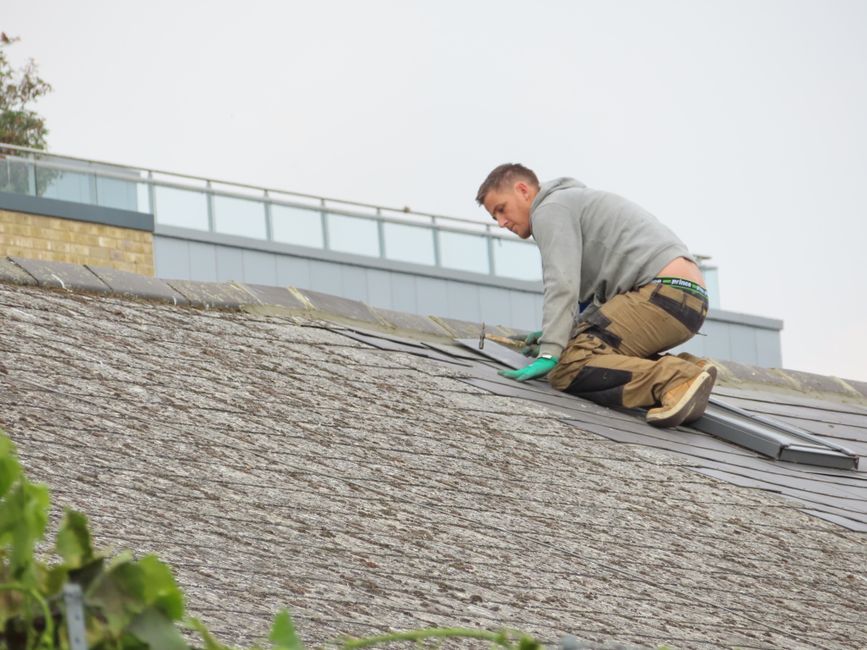
How long does a roof installation take when it is managed by an experienced professional versus a less experienced crew? The honest answer is considerably less, with far fewer callbacks for leaks or defects. Roofing is one of those trades where the quality of the team directly determines how long the result lasts, not just how long it takes to install.
If you are planning a new build, a re-roofing project, or replacing damaged sections after storm or water damage, the right time to contact a roofing contractor is before you finalize your construction schedule. A professional team can give you a site-specific timeline estimate, advise on the best material for your roof design, and flag any structural concerns early. Getting that input during the planning stage prevents costly surprises later in the build.
For reference on standard roofing practices, the Wikipedia guide to domestic roof construction provides a solid overview of structural principles that apply across roof types.
FAQ
How long does it take to install a tile roof on a standard Sri Lankan house?
For a single-storey house of around 1,500 to 2,000 square feet with a standard clay tile roof, expect seven to twelve working days. This includes frame construction. A straightforward gable roof sits at the lower end; a hipped roof with verandah extensions takes longer.
Can roofing work continue during the rainy season in Sri Lanka?
Roofing can continue in the rainy season, but it requires flexibility. Experienced contractors work around afternoon rains and use early mornings for tile-laying. Frame work and concrete work are easier to schedule around rain. Budget for a weather contingency of three to five extra days if you are working during the South-West or North-East monsoon.
What causes roofing projects to take longer than expected?
The most common causes are delayed material delivery, unexpected structural issues with existing roof frames, design changes after work has started, and wet weather. Undiscovered rot in timber purlins, or a ridge beam that is not level, can add two to three days to any project. An experienced contractor will identify most of these risks during the initial site assessment.