
The questions to ask your contractor before building a house are not just formalities. They are your clearest window into whether this person can actually deliver what you are paying for. Ask the right ones, and you get honest answers that help you choose wisely. Skip them, and you may only discover the problems six months into your build.
Why Asking the Right Questions Before Hiring a Contractor Matters
Building a house is one of the largest financial decisions most families make. In Sri Lanka, where construction practices vary widely between firms, the difference between a smooth project and a stressful one often comes down to how thoroughly you vetted your contractor at the start. A credible contractor will not flinch at hard questions. In fact, a good one will welcome them, because it signals that you are a serious client who expects serious work.
This guide frames each question around what can go wrong if you do not ask it. That framing matters. It shifts the conversation from vague curiosity to genuine due diligence, and it helps you read a contractor’s answers for what they reveal about their professionalism.
Questions About Licensing, Experience, and Credentials
Start here. Every other question depends on whether you are talking to someone who is actually qualified to build your home.
- Are you registered with the Institute for Construction Training and Development (ICTAD/CIDA)? In Sri Lanka, contractors are graded under the Construction Industry Development Authority. A graded registration tells you the contractor has been assessed for technical capacity and financial credibility. Without it, you have no independent verification of their capability.
- How many residential builds have you completed, and can I see them? Years in business is not the same as relevant experience. A contractor who has built twenty warehouses is not automatically qualified to build your family home. Ask specifically about residential projects of a similar size and scope.
- Do you carry professional indemnity or contractor’s all-risk insurance? If something goes wrong on site, you need to know who is financially responsible. Uninsured contractors shift that burden to you.
Questions About Project Planning and Timelines
Delays are the single most common complaint homeowners have about construction projects. They drag out your costs, disrupt your life, and often signal deeper problems with how the contractor manages their workflow.
- How long will this project take, and what does your schedule look like? Ask for a written programme of works, not just a verbal estimate. A contractor who cannot produce one is either not organised or is juggling too many jobs at once.
- How many other projects are you running simultaneously? A contractor stretched across five sites is unlikely to give yours the attention it needs. This question is uncomfortable to ask but essential.
- What circumstances could cause delays, and how do you handle them? Weather, material shortages, and subcontractor issues are real. A good contractor anticipates them. If they claim nothing will go wrong, be cautious.
For help understanding how timelines connect to your overall spend, read our guide on budgeting for your residential building project.
Questions About Structural Methods and Materials
This is the section most homeowners skip because it feels too technical. That is a mistake. The structural decisions made in the first months of your build affect your home’s safety and durability for decades.
- What foundation type do you recommend for my plot, and why? Soil conditions across Sri Lanka vary significantly, from the sandy coastal soils in Negombo to the clay-heavy ground common around Kandy. The wrong foundation choice leads to settling and cracking. See our overview of foundation types suited to Sri Lankan soil conditions before this conversation.
- Will you use a concrete frame, steel frame, or a hybrid system? Both have genuine advantages depending on your design and budget. If your contractor cannot explain the trade-offs clearly, they may not fully understand them. Our comparison of the difference between concrete and steel structural systems gives you the background to follow that conversation intelligently.
- Where do you source your cement, steel, and roofing materials? Brand matters. So does supply chain reliability. A contractor who sources materials from unverified suppliers to cut costs is gambling with your home’s quality.
- Are any sustainable or energy-efficient materials available for this project? Ask this even if you are not sure you want them. A contractor worth hiring should know about sustainable construction materials worth asking about and be able to give you options.
Questions About Subcontractors and On-Site Management
Very few contractors do everything themselves. Electrical work, plumbing, tiling, and roofing are often handed to subcontractors. Who those people are matters as much as who you hired.
- Which parts of the project will be subcontracted, and to whom? You deserve to know. A contractor who refuses to disclose this is hiding something, or has not thought it through.
- Who is the site supervisor, and will they be present daily? On-site supervision is where quality control actually happens. If the person you are talking to will rarely visit the site, ask who will be there instead, and then ask to meet them.
- How do you manage quality control across trades? This question separates contractors who have a system from those who are improvising. Look for specific answers: inspection checklists, sign-off procedures, milestone reviews.
Questions About Costs, Contracts, and Payment Terms
Money is where vague agreements become serious disputes. Get everything documented before work starts.
- Is this a fixed-price contract or a cost-plus arrangement? Fixed price gives you certainty. Cost-plus transfers risk to you. Neither is automatically wrong, but you need to understand which one you are signing.
- What triggers additional charges, and how are variations priced? Changes mid-project are common. What is not acceptable is being presented with large variation invoices you did not agree to. Ask upfront how changes are documented and priced.
- What is the payment schedule, and what does each payment correspond to? A reputable contractor ties payment milestones to completed work stages, such as foundation completion, structural frame, roofing, and finishing. Be wary of any contractor who asks for a large upfront payment with no clear milestone attached.
Questions About Permits, Compliance, and Warranties
In Sri Lanka, building without the correct local authority approvals can result in demolition orders and resale problems. This is not a theoretical risk.
- Will you handle all permit applications, or is that my responsibility? A full-service contractor manages approvals from the local authority (Pradeshiya Sabha or Municipal Council) as part of their service. If they expect you to chase permits yourself, clarify that in the contract.
- Does the design comply with the National Building Code? Your contractor should confirm this without hesitation. If they seem unsure, that is a problem.
- What warranty do you offer on structural work and finishes? A one-year defect liability period is standard. Some contractors offer longer coverage on structural elements. Get this in writing, including who to contact if something goes wrong after handover.
Red Flags to Watch For in a Contractor’s Answers
The answers you get are as informative as the questions themselves. Here is what to watch for.
- Vague timelines without any written schedule
- Reluctance to put anything in writing before you commit
- Pressure to sign quickly or pay a large deposit immediately
- Inability to name their subcontractors or material suppliers
- Dismissiveness about permits or regulatory compliance
- No completed projects you can physically visit
None of these individually proves a contractor is untrustworthy. But a pattern of them should stop you in your tracks. A contractor who welcomes questions, provides documentation readily, and speaks plainly about risks is telling you something important about how they work.
How to Use This Checklist During Your Contractor Meetings
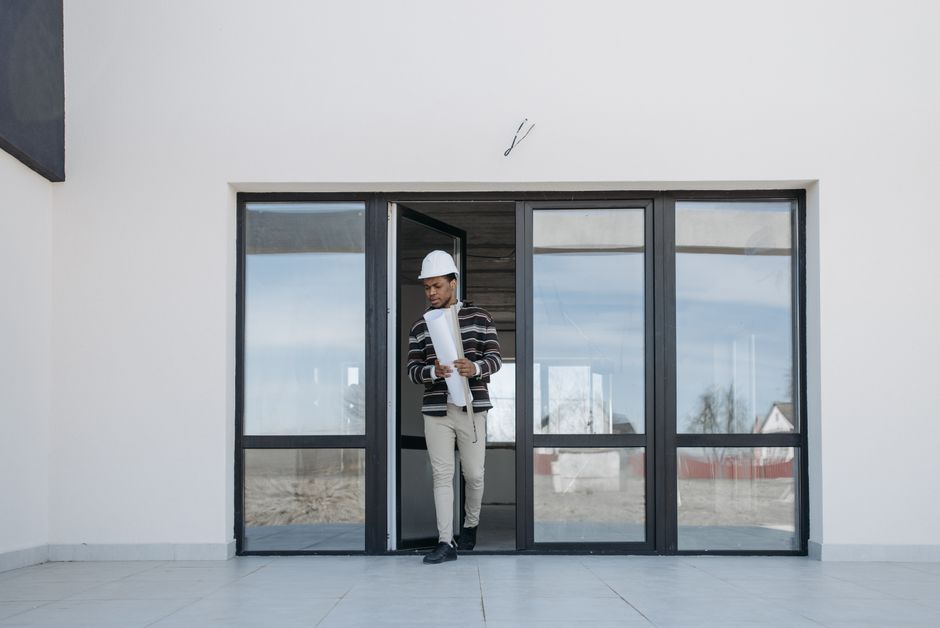
Do not wait until you have chosen a contractor to ask these questions. Use them to ask your contractor before building a house is even confirmed, during your first serious meeting with each candidate you are evaluating. Bring a printed list. Take notes. Compare answers across firms.
Ask each contractor the same core questions so you have a fair basis for comparison. Pay attention not just to what they say but to how they say it: confidence backed by specifics is very different from confident-sounding vagueness. A contractor who pauses to give you a real answer is often more trustworthy than one who answers instantly with something that sounds rehearsed.
If a contractor is reluctant to answer these questions to ask your contractor before building a house, treat that reluctance as information. The best firms in any market expect informed clients. They build systems and documentation precisely because they know that transparency builds trust, and trust brings better projects.
You deserve a home built to a clear standard by people who are accountable for the result. Asking these questions is how you make that happen.
FAQ
How many quotes should I get before choosing a contractor in Sri Lanka?
Aim for at least three detailed quotes from CIDA-registered contractors. This gives you a realistic sense of market pricing and exposes quotes that are suspiciously low or high. Make sure each quote covers the same scope of work so the comparison is meaningful.
What documents should a licensed contractor provide before work begins?
A credible contractor should provide a signed contract, a programme of works, a payment schedule tied to milestones, proof of CIDA registration, and copies of any relevant insurance. Local authority approval documents should follow once permits are granted.
How do I know if a contractor’s timeline estimate is realistic?
Ask them to break the timeline into stages and explain what drives each phase. Cross-check against similar projects by asking other homeowners or checking completed builds. Be cautious of estimates that seem unusually short, as that often signals either overconfidence or underestimation of what your project involves.
What should a building contract include to protect the homeowner?
A solid contract covers the full scope of work, material specifications, a payment schedule linked to milestones, a defect liability period, a variation procedure, termination clauses, and a dispute resolution process. Never sign a contract that leaves these items open-ended or verbal.
Can I visit a contractor’s previous project sites before hiring them?
Yes, and you should request this. Any reputable contractor will offer references and, where clients permit, site visits to completed or ongoing projects. Seeing the quality of their work in person tells you far more than photographs or testimonials.