
The best roofing materials for houses in Sri Lanka depend heavily on where you build, how much rain your site receives, and what you can realistically budget over a 20-to-30-year horizon. Get that match right, and your roof works quietly for decades. Get it wrong, and you are dealing with leaks, heat gain, or premature rust within a few years.
Why Roofing Material Choice Matters in Sri Lanka’s Climate
Sri Lanka sits fully within the tropics, but the island is far from climatically uniform. The wet zone, covering Colombo, Gampaha, Ratnapura, and Kandy, receives over 2,500 mm of rain annually, with two monsoons hitting back-to-back for much of the year. The dry zone, stretching across the north and east, bakes under intense sun with long dry spells that crack and age roofing materials in a different way entirely. Coastal areas add salt-laden air to the equation, which accelerates corrosion on metal surfaces. Hill country districts like Nuwara Eliya introduce mist, lower temperatures, and persistent moisture.
Each of these conditions puts different stresses on a roof. A material that performs beautifully in Batticaloa may corrode prematurely in Negombo. This is why blanket recommendations rarely serve Sri Lankan homeowners well, and why a site-specific assessment from an experienced roofing contractor matters before you commit to any product.
Key Factors to Consider Before Choosing a Roofing Material
Before comparing specific materials, it helps to have a clear checklist in your head. No single factor dominates; you are always balancing several at once.
- Climate zone and rainfall intensity at your specific site
- Roof pitch (the angle of slope), some materials shed water poorly on low-pitched roofs
- Structural load capacityheavier materials like clay tiles require stronger roof framing
- Budget: upfront vs. lifecycle costa cheaper sheet may need replacing twice while a tile roof is still going
- Proximity to the coast and exposure to salt air
- Local availability of the material and qualified installers
- Maintenance requirements over the long term
A professional builder will walk through all of these with you before a single material is quoted. Knowing how long a roof installation typically takes, which you can read about in our guide on how long a roof installation typically takesalso helps you plan the project timeline realistically.
Clay and Concrete Roof Tiles: Durable and Heat-Resistant
Clay tiles are the traditional choice across much of Sri Lanka, and for good reason. Fired clay has excellent thermal mass, meaning it absorbs heat slowly and releases it gradually rather than letting it spike through into your living space. That quality makes clay tiles one of the most practical options in the hot, sunny dry zone and in suburban Colombo where afternoon heat is relentless.
Concrete tiles behave similarly but cost slightly less upfront. Both materials are heavy, typically 40 to 50 kg per square metre, so the roof structure must be designed to carry that load. On the upside, clay tiles can last 50 years or more with basic maintenance, and they are almost entirely immune to corrosion. They do require a roof pitch of at least 22.5 degrees to drain properly, and broken tiles need replacing before water finds the underlayer.
Cost in Sri Lanka typically runs between LKR 120 and LKR 250 per tile depending on grade and profile, with installation labour on top. For a mid-sized residential roof, expect total installed costs to land somewhere between LKR 350,000 and LKR 700,000 depending on size and complexity.
Asphalt Shingles: Affordable but Context-Dependent
Asphalt shingles are extremely common in North America but less so locally, though they are available through import suppliers in Colombo. They are lightweight, come in a wide range of colours, and install quickly. The problem in Sri Lanka is climate fit. Asphalt shingles are designed for temperate climates with cold winters, and the intense UV radiation and heat of the Sri Lankan tropics can degrade them significantly faster than their rated lifespan suggests.
In practical terms, a shingle rated for 25 years in Canada might show cracking, curling, and granule loss in 12 to 15 years here. They also require careful installation on roofs with at least a moderate pitch. For a very specific context, such as a hilltop property in Nuwara Eliya where temperatures are cooler and UV intensity lower, they may perform better. Everywhere else, more climate-appropriate alternatives tend to offer better long-term value.
Metal Roofing (Galvanised and Aluminium): Lightweight and Long-Lasting
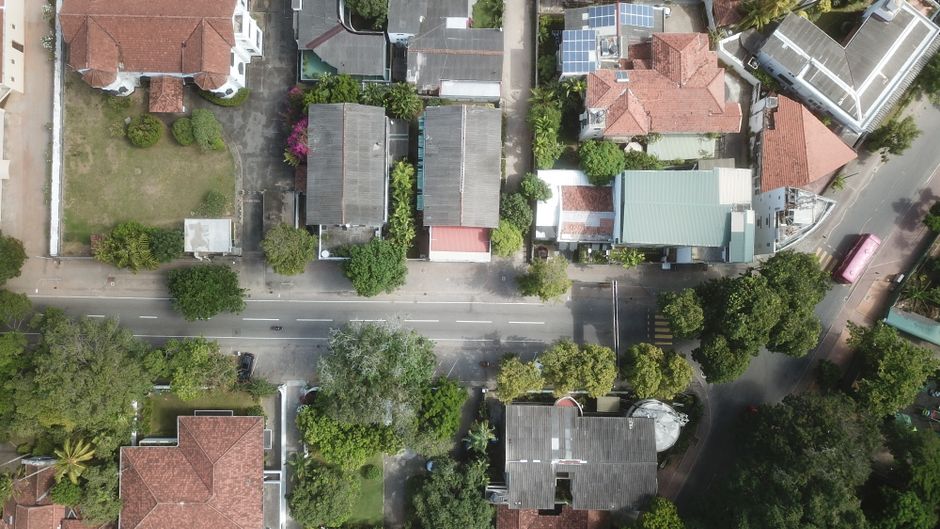
Metal roofing is increasingly the go-to choice for both residential and commercial builds across Sri Lanka. Galvanised steel sheets (zinc-coated mild steel, often sold by gauge, which simply refers to the thickness of the sheet) are widely available, inexpensive, and fast to install. Thicker gauge means heavier and more rigid, which matters in areas exposed to strong winds during the south-west monsoon.
The main vulnerability of standard galvanised sheets in coastal locations is rust. Salt air attacks cut edges and any point where the coating is compromised. Pre-painted Zincalume or colour-coated Colorbond-type steel offers significantly better corrosion resistance, and for coastal homes within roughly 1 km of the shoreline, aluminium roofing is worth the extra investment. Aluminium does not corrode in salt environments and weighs less than steel, which reduces the load on your structural frame.
A well-installed metal roof using quality sheeting can last 30 to 40 years. Heat gain is the common complaint, metal conducts heat readily, but this is manageable with good ventilation design, roof insulation batts, or an air gap between the sheet and the ceiling. The best roofing materials for houses in Sri Lanka often include metal roofing precisely because of its versatility across the island’s different zones when specified correctly.
Fiber Cement Roofing Sheets: Budget-Friendly for Residential Use
Fiber cement (sometimes called fibre cement or asbestos-free cement sheet) is one of the most widely used roofing materials in Sri Lankan housing, particularly for lower and mid-budget residential construction. Modern sheets are manufactured without asbestos and combine cement, cellulose fibre, and other additives to produce a rigid, relatively lightweight panel.
They are affordable, resistant to termites and fungal growth, and hold paint well. The trade-off is brittleness, walking on fiber cement sheets during installation or maintenance can crack them, so this must be handled carefully. They are also not as thermally efficient as clay tiles, though a ceiling with insulation beneath goes a long way toward compensating.
For inland residential builds on a tighter budget, fiber cement remains a sensible, practical option when installed by experienced hands.
Polycarbonate and Translucent Roofing: For Verandahs and Extensions
Polycarbonate sheets are not typically used for whole-house roofing, but they serve a very specific and useful role in Sri Lankan homes. Verandahs, covered car ports, home extensions, and skylight panels benefit from polycarbonate’s combination of light transmission and decent weather resistance. A twin-wall polycarbonate sheet (two layers with an air gap between them) provides some insulation value and reduces heat transfer compared to single-layer sheets.
UV degradation is real over time, cheaper sheets can yellow and become brittle within five to eight years in strong tropical sun. Specifying UV-protected multi-wall sheets and having them installed with proper fixings and sealants extends their service life considerably. Again, professional installation matters here to prevent leaks at junctions with solid roofing sections.
Eco-Friendly and Sustainable Roofing Options
There is growing interest among Sri Lankan homeowners and developers in materials that reduce environmental impact without compromising performance. Terracotta tiles made from local clay, reclaimed clay tiles salvaged from older buildings, and roof designs that incorporate green roofing (soil and vegetation layers over a waterproof membrane) are all gaining attention. Cool-roof coatings that reflect solar radiation are being applied to existing metal and cement roofs to reduce cooling loads inside.
You can learn more about sustainable construction materials gaining traction in Sri Lanka to see how these options fit into a broader green building strategy. None of these approaches are simple self-install projects; they require careful detailing to perform reliably in Sri Lanka’s rainfall conditions.
Roofing Material Comparison at a Glance
This summary table covers the core trade-offs to help you narrow your shortlist quickly.
- Clay/Concrete Tiles: Lifespan 40-60 years. High thermal mass, excellent in wet and dry zones. Heavy, needs strong structure. Higher upfront cost.
- Asphalt Shingles: Lifespan 10-15 years in tropical conditions. Wide colour range, easy install. Poor UV resistance in Sri Lanka’s climate.
- Galvanised/Colour-Coated Steel: Lifespan 25-40 years. Lightweight, widely available, fast to install. Corrosion risk in coastal areas unless upgraded spec used.
- Aluminium Roofing: Lifespan 30-50 years. Best for coastal zones. Higher cost than steel but low maintenance.
- Fiber Cement Sheets: Lifespan 20-30 years. Budget-friendly, termite and fungus resistant. Brittle, needs careful handling.
- Polycarbonate: Lifespan 8-15 years depending on grade. Ideal for verandahs and partial covers. Not suitable for whole-house primary roofing.
Which Roofing Material Is Right for Your Home?
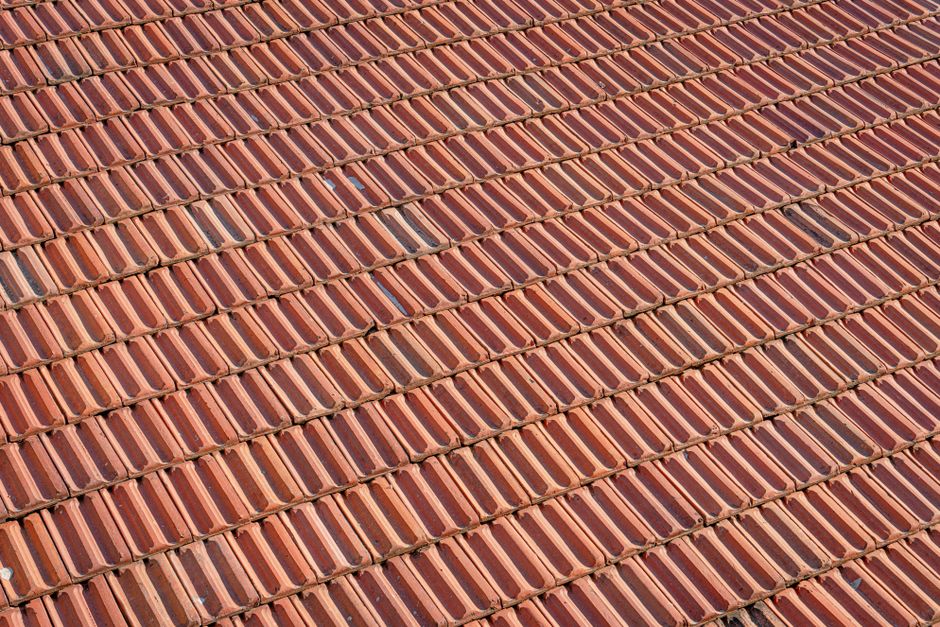
The best roofing materials for houses in Sri Lanka are rarely a one-size answer. A coastal home in Galle has different priorities from a hill-country retreat in Ella or a suburban house in Kelaniya. Budget, structural design, and the skill of the installation team all feed into which material will actually deliver on its paper specifications over the long run.
A good starting point: if budget allows and your structure can carry the load, clay or concrete tiles offer the most reliable long-term performance across most inland Sri Lankan conditions. For tighter budgets or lightweight structures, quality colour-coated steel sheeting with a reputable coating system is the most practical all-rounder. Coastal builds should factor aluminium or high-spec coated steel into the comparison from the outset.
Whatever direction you are leaning, the variables involved in roof specification, from load calculations to junction detailing and waterproofing, are complex enough that a professional assessment before you finalise your design will save you money and headaches in the long run. Reach out to our team to discuss your specific site and project; we are happy to help you work through the options and build a roof designed to last.
FAQ
What is the most popular roofing material used in Sri Lankan houses?
Clay roof tiles and fiber cement sheets are the two most widely used materials across Sri Lanka. Clay tiles dominate in mid-to-upper budget residential builds, while fiber cement sheets are common in lower-budget and rural construction. Galvanised and colour-coated metal sheets are increasingly popular for both residential and commercial roofing.
Which roofing material is best for coastal areas in Sri Lanka?
Aluminium roofing is the strongest choice for coastal zones because it does not corrode in salt-laden air. High-spec colour-coated steel with a quality Zincalume or similar base is a more affordable alternative, provided cut edges are properly sealed. Standard galvanised sheets rust quickly within a few hundred metres of the shoreline and are not recommended for coastal builds.
How much does it cost to roof a house in Sri Lanka per square foot?
Costs vary by material and region, but a rough guide for fully installed roofing in Sri Lanka: fiber cement sheets typically range from LKR 180 to LKR 280 per square foot, galvanised or colour-coated metal from LKR 250 to LKR 400, and clay tiles from LKR 350 to LKR 600 or more depending on tile grade and structural complexity. These figures are indicative; get a site-specific quote for accurate budgeting.
How long do clay roof tiles last in Sri Lanka’s climate?
Good-quality clay tiles installed on a properly designed structure routinely last 40 to 60 years in Sri Lanka. The main risks are cracked or slipped individual tiles that allow water ingress if not replaced promptly, and moss or lichen growth in very wet zones that can lift tiles over time. Periodic inspection and minor maintenance keep a clay tile roof performing for generations.
Is metal roofing suitable for hot and humid conditions in Sri Lanka?
Yes, with the right detailing. Metal roofing conducts heat, so buildings with metal roofs benefit from ventilated roof cavities, insulation batts above the ceiling, or both. These measures significantly reduce heat transfer into living spaces. Properly installed and ventilated metal roofing performs reliably across Sri Lanka’s humid zones, and modern colour-coated steel products with reflective finishes reduce solar heat gain further compared to older bare galvanised sheets.