
The right roof waterproofing solutions for Sri Lanka can be the difference between a dry, structurally sound building and one quietly rotting from the top down. This guide walks you through every practical option, how they compare, and how to choose the one that fits your roof, your budget, and Sri Lanka’s demanding climate.
Why Waterproofing Is Non-Negotiable for Sri Lankan Roofs
Sri Lanka receives between 1,000 mm and 5,000 mm of annual rainfall depending on the zone, with the southwest receiving the heaviest monsoon exposure each May through August. That sustained moisture load is not something any roof handles passively. Add year-round UV radiation and temperature swings that cause roofing materials to expand and contract daily, and the stress on any surface is relentless.
When waterproofing fails, the consequences stack up fast. Water infiltrating a concrete slab creates the conditions for mold and mildew within days. Over months, it corrodes embedded steel reinforcement, leading to spalling concrete and compromised structural integrity. Interior finishes suffer, electrical systems become hazardous, and the repair costs grow far beyond what a proper waterproofing application would have cost in the first place.
None of this is alarmist. It is simply the physics of water finding the path of least resistance through any gap, crack, or porous surface a poorly treated roof presents.
Common Roof Types in Sri Lanka and Their Waterproofing Needs
Sri Lankan residential and commercial buildings generally fall into two broad roofing categories, and each has distinct vulnerabilities worth understanding before you choose a product.
Flat or low-slope concrete roofs are the standard on most urban homes, apartments, and commercial buildings. Water does not shed quickly on these surfaces. Ponding is common, especially where drainage channels are blocked or poorly designed. That standing water drives moisture into the concrete matrix over time, making a continuous, fully bonded waterproofing layer essential rather than optional.
Pitched roofs with clay tiles, concrete tiles, or metal sheets shed water faster by design, but they carry their own risks. Tile cracking, mortar joint degradation, and the junctions between roofing and parapet walls or penetrations like vents and pipes are all common entry points. For a detailed look at how different roofing materials perform in tropical conditions, see our guide on clay tile vs metal roofing for tropical climates.
Main Roof Waterproofing Solutions Available in Sri Lanka
Choosing the right system starts with knowing what each one actually does. Here is a plain-language breakdown of the main products available in the Sri Lankan market.
Bituminous Membrane
A bitumen-based sheet membrane is one of the most established solutions for flat concrete roofs. The membrane is laid in overlapping sheets, bonded either with a cold adhesive or by torch application (torch-on method). It creates a tough, flexible barrier that handles water pressure well. Bituminous membranes are widely available locally and have a proven track record in tropical conditions.
Liquid-Applied Coatings
Often called liquid membranes, these are polymer-based coatings brushed or rolled onto the roof surface. They cure to form a seamless, flexible film that stretches with natural building movement. This seamless quality makes them particularly good at covering complex surfaces with pipes, vents, and irregular junctions. Acrylic and polyurethane (PU) variants are both common in Sri Lanka, with PU generally offering superior durability and chemical resistance.
Polyurethane Sealants
Polyurethane (PU) sealants are used primarily for joint sealing, crack filling, and detail work around penetrations rather than as a full-surface system. They are flexible, adhesive, and resistant to UV degradation. On their own they are not a complete waterproofing solution, but they are essential as part of any thorough application.
Crystalline Waterproofing
This is a cement-based product that works very differently from surface coatings. When applied to concrete, it triggers a chemical reaction that causes crystalline structures to grow inside the concrete capillaries, blocking water passage from within. It is particularly effective for below-slab or basement applications, and for concrete roofs where the substrate itself has minor porosity issues. Waterproofing chemistry for crystalline systems is well documented and the technology is increasingly accessible in Sri Lanka.
Torch-On Membrane
A variant of the bituminous membrane system, torch-on membranes are heat-fused to the substrate using a gas torch. This creates a very strong bond and eliminates cold-application adhesive weaknesses. It requires skilled handling, which is one clear reason why professional application is the standard here, not a suggestion.
For your reference on the broader roofing context, our article on best roofing materials for houses in Sri Lanka covers material selection from the structural layer up.
How to Choose the Right Waterproofing System
No single product suits every roof. Your decision should factor in four things: roof type, roof age and condition, budget range, and whether this is a new build or a retrofit over an existing surface.
For a brand-new flat concrete roof, a torch-on membrane or a high-quality PU liquid coating applied during construction gives the cleanest, most durable result because the substrate is clean and controlled. For an older roof with existing coatings or moderate deterioration, liquid-applied systems are often more practical because they can be applied over prepared surfaces without full strip-back. For roofs with significant concrete degradation, crystalline waterproofing as a base treatment before a membrane layer adds meaningful depth of protection.
Budget matters too, but framing it as a cost-cutting exercise tends to backfire. A cheaper product poorly specified for your roof type will fail faster in Sri Lanka’s conditions than a mid-range product correctly chosen and professionally applied.
Signs Your Roof Waterproofing Has Failed
Catching failure early limits the damage significantly. The most common indicators are:
- Damp patches or staining on interior ceilingsespecially appearing or worsening during or after rain.
- Efflorescence (white chalky deposits) on concrete or masonry surfaces, caused by mineral salts carried by migrating water.
- Bubbling or blistering of an existing coating layer, which indicates water trapped beneath the membrane.
- Visible surface cracks in the roof slab or screed, particularly along joints or parapet junctions.
- Mold growth on ceilings or upper walls that is not explained by condensation or plumbing issues.
Any of these warrants a professional inspection before you attempt any remediation. Applying a new coat over active moisture or unbonded old coatings almost always leads to premature failure of the new treatment.
What the Waterproofing Application Process Looks Like
Understanding the process helps you verify that any contractor you hire is doing the job properly. Surface preparation is not optional and not quick. Old coatings, loose material, algae, and contamination must be removed, typically by high-pressure washing followed by mechanical grinding or scarifying on concrete. Cracks are filled and primed before any waterproofing layer goes down.
Application itself usually involves a primer coat, one or more base layers, and a finish or UV-protective topcoat depending on the system. Each layer must cure fully before the next is applied, and curing times vary with humidity and temperature. Rushing this stage is one of the most common causes of premature failure. The full process for a standard flat roof typically takes two to four days, and trying to compress that timeline is a false economy. You can get a sense of typical project timelines in our article on how long a roof installation takes.
How Long Does Roof Waterproofing Last in Sri Lanka?
Lifespan varies meaningfully by product type and application quality. A well-applied torch-on bituminous membrane typically lasts 10 to 15 years. Quality PU liquid coatings range from 8 to 12 years. Crystalline treatments, being embedded within the concrete, can last the life of the structure if the concrete itself remains sound. Acrylic coatings sit at the lower end, often 5 to 8 years, which makes them more suitable as maintenance treatments than primary systems.
What shortens lifespan fastest in Sri Lanka is UV degradation of surface coatings, poor drainage design, and deferred maintenance. Annual inspections, keeping drains clear, and addressing small cracks promptly can add years to any system.
Cost Factors for Roof Waterproofing in Sri Lanka
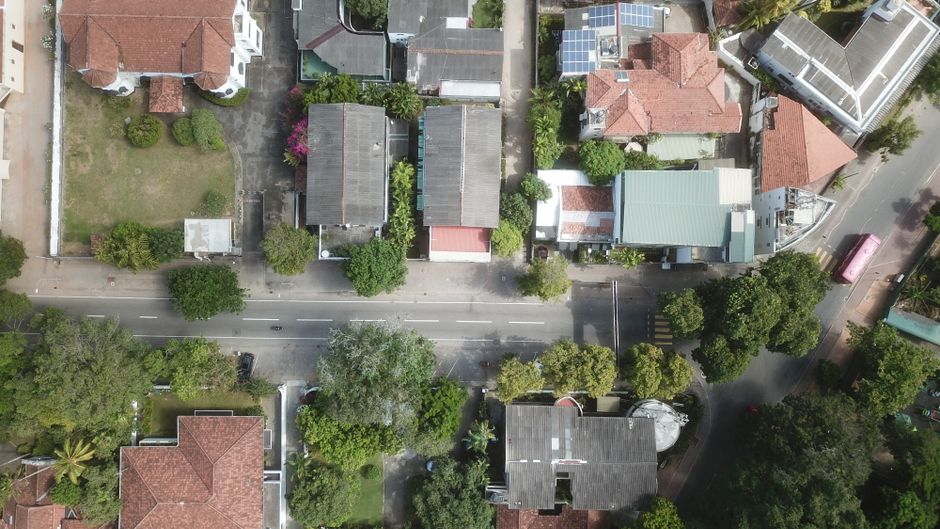
Providing fixed prices is unreliable because material costs, labour rates, and exchange rates shift. What genuinely drives the price of any roof waterproofing solutions for Sri Lanka project is well understood and consistent.
Roof area is the primary factor. Product type and brand specification is the second. A torch-on membrane system will cost more to supply and apply than a basic acrylic coating. Roof condition is the third variable: significant surface preparation, crack repair, or removal of failed old coatings adds time and material. Roof access and slope affect labour time. Location within Sri Lanka affects transport and contractor availability.
Get at least two detailed written quotations that specify the system name, number of coats, and surface preparation method. That detail is the only meaningful way to compare prices fairly.
FAQ
What is the best waterproofing method for a flat concrete roof in Sri Lanka?
For flat concrete roofs, torch-on bituminous membranes and polyurethane liquid-applied coatings are both strong choices. Torch-on membranes offer excellent durability and bond strength. PU coatings suit complex surfaces with many penetrations because they form a seamless layer. The best choice depends on the roof’s age, condition, and whether this is new construction or a retrofit.
How often should roof waterproofing be reapplied or maintained?
Annual visual inspections are sensible for any roof in Sri Lanka. Full reapplication frequency depends on the system: acrylic coatings may need attention every 5 to 7 years, while PU and torch-on systems can run 10 to 15 years with good maintenance. Keeping drains clear and resealing minor cracks promptly extends any system significantly.
Can waterproofing be applied over an existing roof without removing tiles or old coatings?
Sometimes, yes. Liquid-applied coatings can go over sound, well-adhered existing surfaces after thorough cleaning and priming. However, if the existing coating is bubbling, cracking, or delaminating, it must come off first. Applying new waterproofing over a compromised base traps moisture and causes early failure. A professional inspection will tell you which approach is appropriate.
How do I know if my roof needs waterproofing or full replacement?
Waterproofing is appropriate when the structural roofing layer (concrete slab, tile, or metal sheet) is still sound and the waterproofing layer has degraded. Full replacement becomes necessary when the structural material itself is cracked, corroded, or no longer serviceable. Interior water damage alone does not indicate replacement; a professional assessment of the roof substrate is needed to make that call confidently.
Is liquid waterproofing or membrane waterproofing better for Sri Lanka’s climate?
Both perform well when correctly specified and applied. Liquid (PU) coatings excel on roofs with complex geometry, many penetrations, and where seamless coverage is critical. Sheet membranes, particularly torch-on systems, offer robust mechanical strength and are the standard for open, uninterrupted flat roof areas. In practice, a well-executed application of either system will outperform a poorly applied version of the other.
Get a Professional Roof Waterproofing Assessment
The roof waterproofing solutions for Sri Lanka that work best are the ones correctly matched to your specific roof and properly installed by experienced hands. Product selection and surface preparation are both technical decisions with real consequences if they go wrong in Sri Lanka’s climate.
If you have an active leak, signs of moisture damage, or a new build approaching the roof and slab stage, getting a professional assessment now costs far less than remedial structural work later. Our team works across residential and commercial projects throughout Sri Lanka, and we can inspect your roof, recommend the right system, and provide a clear, itemised quote. Contact us today to arrange your assessment.